10 Essential Checks When Buying a Used Car
Buying a used car can be a practical and cost-effective decision, but it also requires a careful and systematic approach. Unlike a new vehicle, a used car carries a history that may include wear, repairs, and potential issues. A thorough inspection before purchase is crucial to understanding the condition of the vehicle and making an informed decision. This article provides a structured checklist of ten essential checks that cover the engine, transmission, body condition, and other critical areas. By following these steps, you can reduce the likelihood of unexpected problems and approach the transaction with greater confidence.
The goal of this checklist is not to guarantee a perfect car, but to equip you with a method for evaluating a used vehicle’s overall state. It emphasizes transparency and process, rather than assumptions about the vehicle’s history. Each check addresses a specific aspect that can affect the car’s performance, safety, and longevity. While this list is comprehensive, it is not exhaustive, and a professional mechanical inspection is always advisable. Remember that the condition of a used car depends on many factors, including maintenance history, driving habits, and environmental exposure, so individual outcomes may vary.
1. Exterior Body Condition
The exterior of a car can reveal a lot about its past. Begin by walking around the vehicle and examining the body panels for dents, scratches, and rust. Pay special attention to the areas most prone to damage, such as the bumpers, doors, and fenders. Look for any signs of repainting, which might indicate that the car has been in an accident. Inconsistencies in paint color and texture can be subtle clues. Use a magnet to check for body filler, which is often used to repair major dents. A panel that doesn’t attract the magnet as strongly as others may have been filled. Additionally, inspect the gaps between panels. Uneven or wide gaps can be a sign of poor repair work or structural issues. Examine the undersides of the doors and trunk lid for rust, as these areas are particularly vulnerable. While some wear is expected, extensive rust can compromise the vehicle’s integrity.
2. Engine and Underhood Inspection
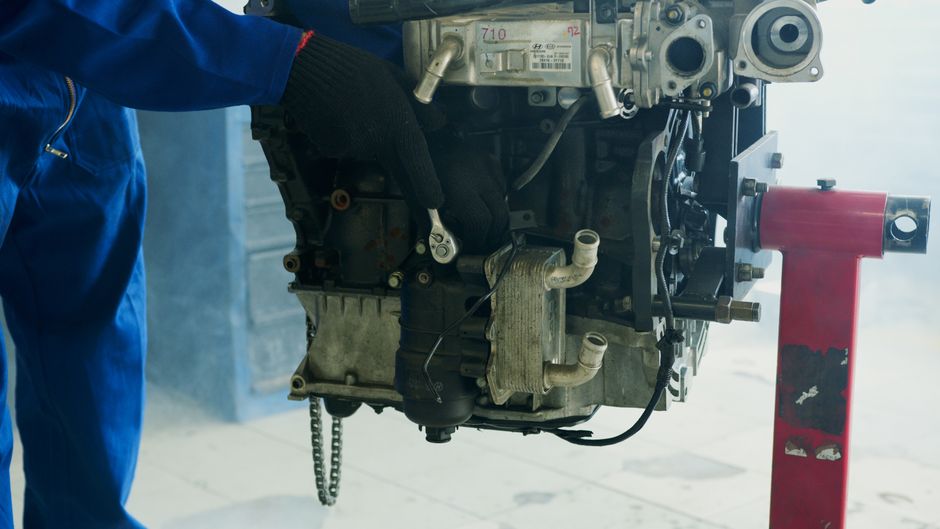
The engine is the heart of the car, and a thorough inspection is essential. Start with the engine bay when it is cold. Check for any signs of oil leaks, such as wet spots or dark stains, on the engine block and around the gaskets. Look at the oil dipstick; the oil should be at the proper level and not have a milky appearance, which could indicate coolant contamination. Inspect the radiator and coolant reservoir for the correct fluid level and color, and check for any discoloration or debris. The battery terminals should be free of corrosion, and the connections should be tight. Also, examine the belts and hoses for cracks, fraying, or signs of wear. Listen for any unusual noises when the engine is running, such as knocking or ticking, which could be problematic. A compression test can provide valuable information about the engine’s health, but it may not be practical for every buyer. If possible, have a mechanic perform a professional inspection.
3. Transmission and Drivetrain
The transmission is another critical component that requires careful evaluation. For manual transmissions, test the clutch engagement and gear shifts. The gears should shift smoothly without grinding, and the clutch should engage at a consistent point. For automatic transmissions, check the fluid level and condition; the fluid should be reddish and not burnt or contaminated. When test driving, pay attention to how the transmission shifts. It should change gears smoothly, without hesitation or jerking. If the vehicle has four-wheel drive, test the system by engaging it according to the manufacturer’s instructions, if safe to do so. Listen for any whining or clunking sounds from the drivetrain during acceleration or deceleration. The drive shaft and axles should be inspected for leaks or damage. A vehicle that has been used for towing may have additional wear, so consider the car’s history if available.
4. Suspension and Steering
The suspension and steering systems affect ride comfort and handling. Look at the tires for uneven wear, which can indicate alignment or suspension issues. Check the shock absorbers and struts for leaks or damage by pressing down on each corner of the car and observing how it rebounds; it should not bounce excessively. When test driving, pay attention to how the car handles bumps and turns. There should be no clunking or knocking noises when driving over rough surfaces. The steering should be responsive and accurate, with no excessive play. If the car pulls to one side, it may be an alignment issue or a brake problem. Inspect the steering linkage and boots for cracks or wear. Also, check the power steering fluid level and condition. A well-maintained suspension contributes to a stable and comfortable ride.
5. Brakes
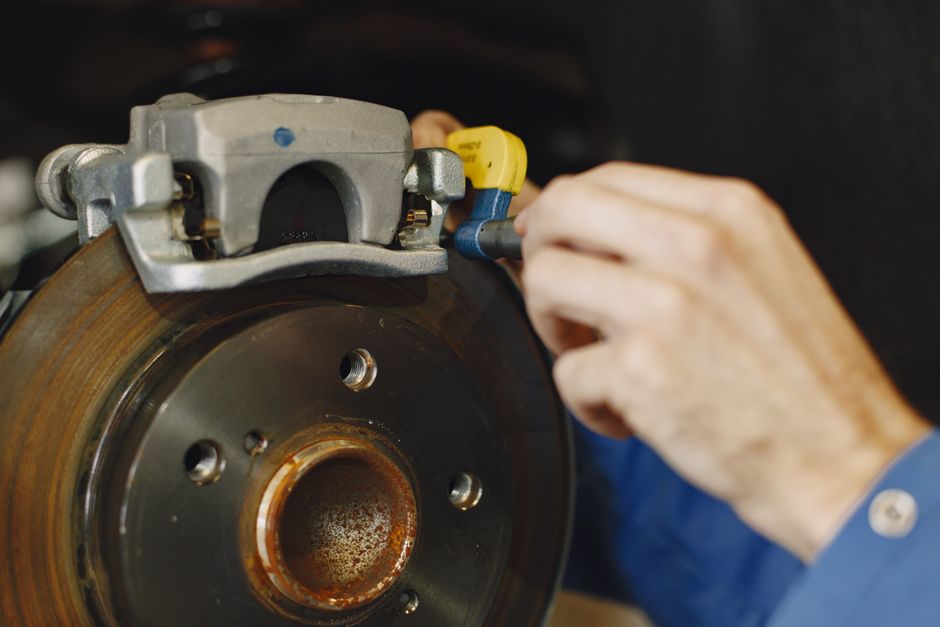
Brakes are a vital safety component. Check the brake fluid level and its color; it should be clear or slightly amber, not dark or dirty. When pressing the brake pedal, it should feel firm and not spongy. If the pedal sinks slowly, there might be a leak or air in the system. During the test drive, test the brakes at various speeds, including a sudden stop. The car should stop in a straight line without pulling to one side. Listen for any grinding or squealing noises. Look at the brake pads and rotors if visible through the wheels; they should have sufficient thickness. Uneven wear on the brake pads or rotors can indicate caliper issues. Also, check the handbrake or parking brake to ensure it holds the car securely on an incline. Any unusual behavior should be investigated further.
6. Fluid Levels and Leaks
Fluids are the lifeblood of a vehicle, and their condition can indicate overall maintenance. Beyond the oil and coolant, check the brake fluid, power steering fluid, and transmission fluid. Each should be at the proper level and free of contamination. Look around the engine and under the car for any signs of fluid leaks. Puddles of oil, coolant, or transmission fluid on the ground are red flags. A dry underside is preferable. Also, check the windshield washer fluid and ensure the system works. While checking the fluids, note their smells; a sweet smell may indicate coolant, while a burnt smell could indicate overheated fluid. If the car has a fluid level warning light on the dashboard, it might be a sign of a leak. A thorough check of all fluids can reveal hidden issues.
7. Interior and Electrical Systems
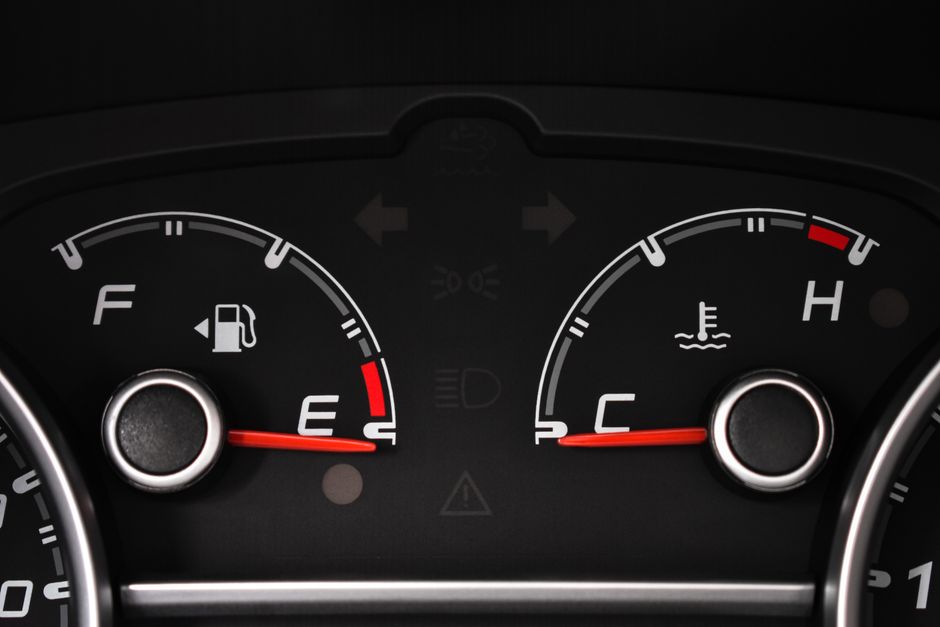
The interior condition reflects how well the car has been cared for. Examine the seats, dashboard, and carpet for tears, stains, or excessive wear. Check that all controls function properly, including the various buttons, knobs, and switches. Test the air conditioning and heating systems to ensure they blow hot and cold air. The infotainment system, if present, should be operational, including the radio, navigation, and connectivity features. Check all the gauges and warning lights on the instrument panel. When the engine is started, some warning lights should illuminate briefly and then go off; if any remain on, there may be an issue. Test the power windows, locks, and mirrors. Also, check the headlights, taillights, brake lights, turn signals, and interior lights. Electrical problems can be costly, so it’s important to ensure everything works.
8. Test Drive
A test drive is an essential part of the evaluation process. It allows you to experience the car’s behavior under real conditions. Before driving, adjust the seat, mirrors, and steering wheel to get comfortable. When driving, pay attention to the engine’s response, the transmission’s shifting, and the brakes’ performance. Listen for any unusual noises from the engine, suspension, or exhaust. On highways, check the car’s stability at higher speeds and whether the steering vibrates. On a rough road, assess the ride quality and listen for rattles. During the test drive, try to simulate various driving conditions, such as stop-and-go traffic and turns. If possible, drive both in the city and on a freeway. A test drive can reveal issues that are not evident when the car is stationary. Remember to test the reverse gear as well.
9. Vehicle History Report
Obtaining a vehicle history report can provide valuable information about the car’s past. Services like Carfax or AutoCheck offer reports that include previous accidents, title issues, odometer readings, and service records. A clean report is not a guarantee, but it can help identify potential problems. Check if the car has a salvage or rebuilt title, which indicates significant damage or restoration. Also, see if the odometer readings are consistent with the car’s age and usage. A discrepancy might suggest tampering. While the report can be informative, it is not always complete, as some incidents may not be reported. Use it as part of a comprehensive evaluation, but do not rely solely on it. A professional inspection can uncover issues that a history report might miss.
10. Paperwork and Documentation
Before completing the purchase, carefully review all the paperwork. Ensure that the seller has the title and that it matches the vehicle’s VIN. Check that the title is clear of any liens, meaning there are no outstanding loans or claims against the car. Also, review the service and repair records to get a sense of the maintenance history. If the seller is a dealer, they should provide a purchase agreement and a warranty if applicable. For private sales, make sure the bill of sale includes all relevant details. Verify the VIN on the car matches the title and registration. If you are financing the car, ensure the loan documents are correct. Taking the time to review the paperwork can prevent legal and financial issues later.
In conclusion, buying a used car requires a methodical approach, and this checklist is designed to guide you through the essential checks. While it is not exhaustive, it covers the major systems that affect safety and reliability. Remember that each vehicle is unique, and factors such as maintenance history and driving conditions can influence its condition. A professional inspection is strongly recommended. By being thorough, you can make a more informed decision and reduce the risk of unexpected problems. Always approach the purchase with diligence and consider seeking expert advice if you are unfamiliar with automotive mechanics.